
The Mindful Policymaker
A case for meditation in the halls of power

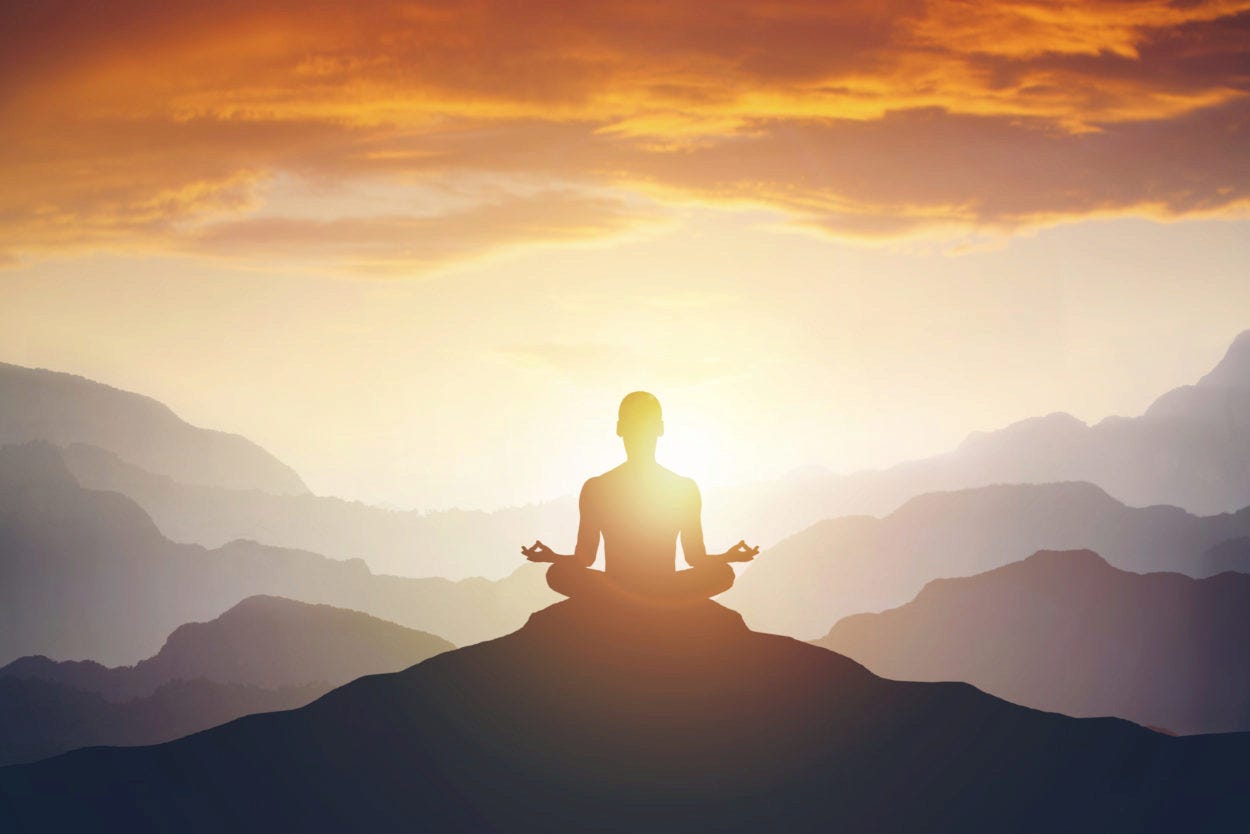
Meditation is an important part of my early morning routine. It’s a peaceful and grounding way to start the day, even if only for 10 or 15 minutes. Some guided meditations often offer practical guidance and advice about relationships, common challenges, decision-making, handling stress, and strategies for self-care. I’ve found this small investment of time helpful. And science backs me up. Perhaps our policy makers should give it a try.
Here’s What the Science Says
Science has found substantial evidence supporting many benefits of meditation (see for example here, here, here, here, here). It can lower blood pressure, reduce inflammation markers, improve immune function, and help with chronic pain management. It can help reduce anxiety, wipe away stress, and provide a sense of calm, peace and balance that can benefit both emotional well-being and overall health.
The quality of the research varies; some studies have small sample sizes or methodological limitations. And the mechanisms aren’t fully understood. But the overall body of evidence strongly supports meditation as a beneficial practice, leading to its integration into mainstream healthcare.
Here’s what the Mayo Clinic says on its website. Meditation can:
Give you a new way to look at things that cause stress.
Build skills to manage your stress.
Make you more self-aware.
Focus on the present.
Reduce negative feelings.
Help you be more creative.
Help you be more patient.
Lower resting heart rate.
Lower resting blood pressure.
Help you sleep better.
Types of Meditation
There’s a variety of meditation types, with different techniques and focuses. Some focus on mindfulness and non-judgmental awareness of the present moment. Some focus on loving kindness and cultivating goodwill, compassion, and empathy for others. Some invite body scans. Some focus on enhancing concentration. Some use mantras and sound. (Here’s one with flowing water and another one with “singing bowls.) Some are movement-based, like Tai chi and Qigong. I’m rather fond of walking meditation – basically slow, deliberate walking with awareness of what I see, hear, smell, and sense around me.
Meditation and Policy Making
Policymaking is inherently stressful work that requires navigating complex, high-stakes decisions while managing competing interests and constant pressure. Especially now, as the current political environment under the Trump Administration is marked by significant polarization and controversy across multiple policy areas. Given the divisive state of our politics, we need policy makers with clear heads and warm, compassionate hearts. Policy makers who remember why they are there and who they are working for – specifically, for their constituents. Not the President, not the billionaire class, and not the zealots on either side of the political divide. Meditation offers several practical benefits that could significantly improve how policymakers approach their responsibilities. They include:
Enhanced Decision-Making Under Pressure. Meditation trains the mind to remain calm and clear during stressful situations. For policymakers who must make consequential decisions quickly, this mental clarity can prevent reactive choices driven by emotion or political pressure.
Improved Focus and Information Processing. Policymakers are bombarded with information, requests, and demands from constituents, lobbyists, advisors, and a President who says he has all the answers. Meditation strengthens sustained attention and helps filter signal from noise. This enhanced focus allows for deeper engagement with complex policy details rather than surface-level reactions to the loudest voices. And perhaps strengthens policymakers’ ability to stand up to the bully in the pulpit.
Better Emotional Regulation. Political environments are often charged with conflict and criticism. Meditation can help develop emotional equilibrium, enabling policymakers to respond to conflicts, demands and criticisms constructively rather than defensively, and to engage with opposing viewpoints without becoming personally reactive. This emotional stability can improve both their effectiveness and their relationships across party lines.
Reduced Stress and Better Long-term Thinking. Meditation provides a sustainable way to manage stress and maintain perspective. And it can help policymakers step back from the immediate political cycle and consider the longer-term consequences of their decisions.
Enhanced Empathy and Perspective-Taking Many meditation practices specifically cultivate compassion and the ability to understand different viewpoints. For policymakers representing diverse constituencies, this enhanced capacity for perspective-taking could lead to more inclusive and effective policies.
Bottom Line
The irony is that the very people who could most benefit from meditation’s effects - those making decisions that affect millions - are often the ones who feel they have the least time for such a practice. But even brief, consistent meditation sessions can yield measurable improvements in the cognitive and emotional skills essential for effective governance. The guided meditation I listened to this morning emphasized the importance of mercy, justice, and compassion. And I thought – that’s just what we need from our policymakers. Hence this rather off-topic blog. What do you think? Let us know in the comments.
That’s it for today - Thank you so much for reading SciLight!
If you enjoyed today’s post, please like it or share it with others. You can also support the work we do to shine a light on the politicization of science by becoming a paid subscriber!
If you want to share today’s post as a web page with your network, click this button:
If you have suggestions, questions, comments, or want to drop us a line - send it all to scilightsubstack@gmail.com