
The Autocrat’s Toolkit
Muzzle researchers, rig the metrics, stack the referees

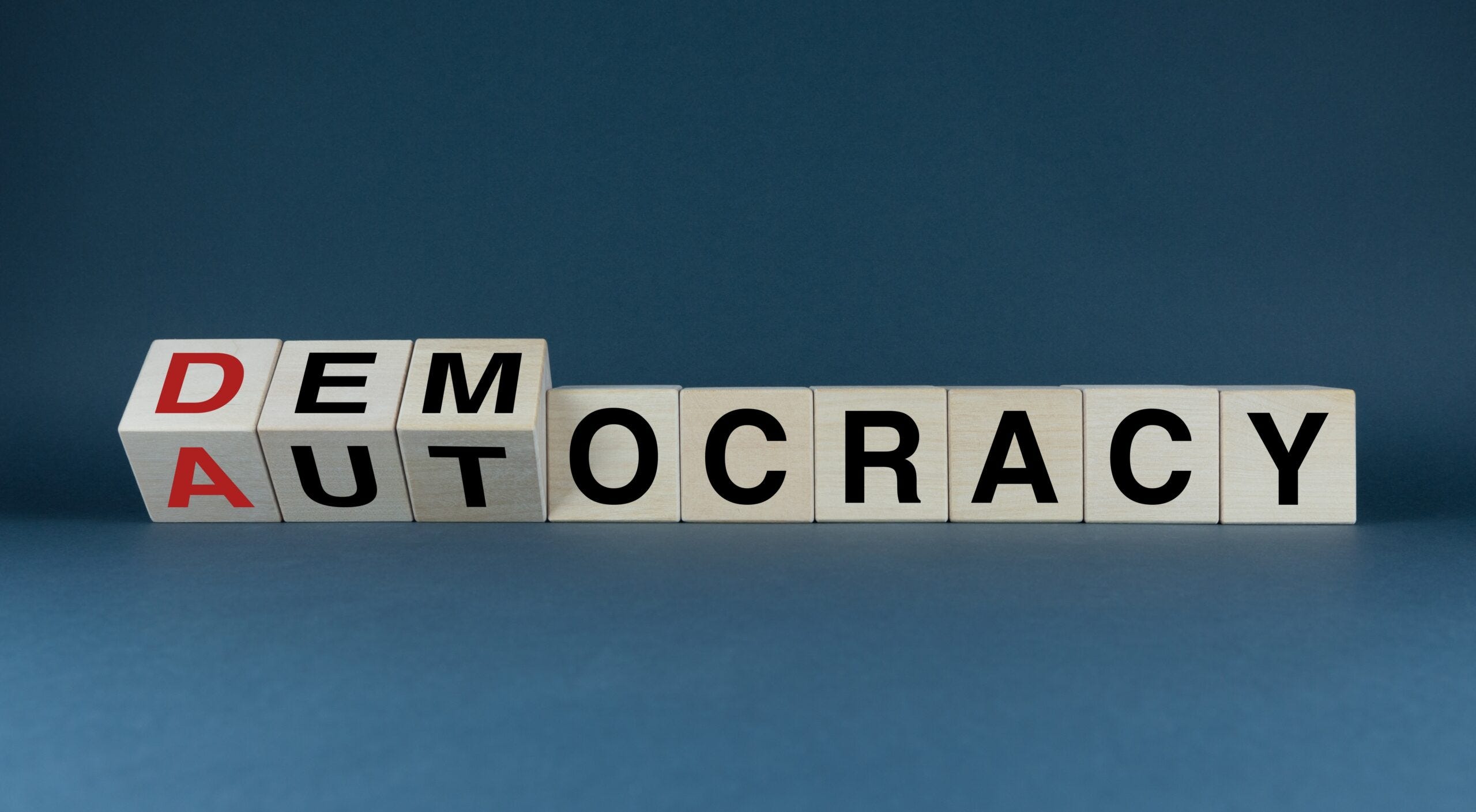
Don’t like what the science says, e.g., about climate change or fossil fuels? Just suppress or ignore it (see here, here, here, here). Don’t like what the data, the numbers, or statistics show, e.g., about the labor force, the economy, or crime in your city? Change them, stop counting, or fire the official compiling them (see here, here, here, here).
This is what led me to think - and now write about - authoritarianism and autocratic leadership. Not a usual topic for a SciLight post, though I suspect a topic of interest for many SciLight readers.
I Went Down a Rabbit Hole and Here’s What I Learned
At its core, authoritarianism is a political system characterized by the concentration of power in a single leader or small group, limited political freedoms, and restricted civil liberties.
Key features of authoritarian governance include the suppression of political opposition, control over information and media, weakened judicial independence, and the use of government resources to maintain power.
Unlike totalitarian systems, authoritarian regimes and leaders do not rely on brute force. Rather, they generally use legal mechanisms, propaganda, and selective repression to concentrate and cement their power. And they have low tolerance for ambiguity and diversity.
The modern autocrat employs several key strategies:
· They systematically undermine independent institutions, particularly the judiciary and free press – and, as we’ve seen most recently, academic institutions.
· They promise law, order, and simple solutions.
· They manipulate electoral systems through gerrymandering, voter suppression, or changing electoral rules to favor their continued dominance.
· They rely on simple resonant messages about an “enemy.” Someone, some group, or something to blame for everything in order to justify their actions. Immigrants, black and brown people, communists, wokeness, DEI programs, universities, the former administration, etc.
· They favor friendly media outlets and harass or ignore those they perceive as challenging or hostile.
How It Happens
Democratic systems can produce and sustain autocratic leaders, often through entirely legal means. Voters go to the polls and elect them. The autocratic leader then uses that legitimacy to dismantle democratic institutions from within. They exploit the very openness of democratic systems to consolidate their power and control.
Autocratic leaders often use constitutional means to expand their power: declaring emergencies, packing courts with loyalists, changing electoral laws, or manipulating term limits. Since they're working "within the system," opposition becomes more difficult.
Plus, democracies have loopholes and weaknesses that skilled autocrats can exploit:
Voter polarization that makes people prioritize their "side" winning over democratic norms;
Constitutional loopholes or ambiguities about executive power;
Elected representatives who will turn a blind eye and go along to get along;
An exhausted public;
Weak civic institutions; and
Economic inequality that creates desperation for "strongman" solutions.
How to Identify An Autocratic Leadership Style
Rasmussen University has published a terrific piece on autocratic leadership. Read it here. It notes some key characteristics of autocratic leadership and its types of behaviors and attitudes. These include:
Management ranks filled with “yes-men” or people who mimic and echo the leader
The presence of threats or intimidation to foster loyalty
Extreme or wide-spread micromanagement
Centralized decision-making
Buzz words like “discipline”, “accountability” and “consequences” (sound positively Musk-like)
Command and control
And take a look at John Lithgow reading Snyder’s 20 lessons on tyranny (here). Or see Paul Krugman’s post, “The Political Economy of Incompetence” here.
Historical Examples
Throughout history and to this day, there have been plenty of autocratic leaders. For example:
Adolf Hitler (Germany)
Joseph Stalin (Soviet Union)
Mao Zedong (China)
Idi Amin (Uganda)
Augusto Pinochet (Chile)
Vladimir Putin (Russia)
Alexander Lukashenko (Belarus)
Bashar al-Assad (Syria)
Victor Orban (Hungary)
Recep Tayyip Erdoğan (Turkey)
Jair Bolsonro (Brazil)
Paul Biya (Cameroon), who is currently the longest-ruling authoritarian leader in the world
Have I left anyone out? Hmmm…. Who comes to your mind? If we in the U.S. are not there yet, I think we are well on the way to autocracy. This Scientific American article lays it out nicely.
Bottom Line
We may have elected our current President, but democracy isn't just about elections. It requires strong institutions, a robust civil society, adherence to norms, and citizens committed to democratic values. The next presidential election is a way off, but there is still plenty we can do. We can make our views known to our elected representatives and promise to hold them accountable; we can write op-eds and LTEs for our local newspapers; we can speak out on social media; we can support good government organizations; we can join marches and protests; we can attend public forums and ask questions.
What we can’t afford to do is become silent or complacent. We can take a breather when needed but then get back to it. Our democracy is fragile. We shouldn’t take it for granted.
That’s it for today - Thank you so much for reading SciLight!
If you enjoyed today’s post, please like it or share it with others. You can also support the work we do to shine a light on the politicization of science by becoming a paid subscriber!
If you want to share today’s post as a web page with your network, click this button:
If you have suggestions, questions, comments, or want to drop us a line - send it all to scilightsubstack@gmail.com
Good piece. We are way down the authoritarian road but not fully overtaken yet. Every protest is important. Speaking truth to power is critical. The mid-term elections are essential.
A brief reprieve from the plutocracy, some absurdist theatre where the absurdism is intentional for a change.
https://substack.com/@brutusmac/note/c-168657786?r=6aexdu&utm_medium=ios&utm_source=notes-share-action