
Stories That Change What We Know About Science
A new collaboration between SciLight and Story Collider


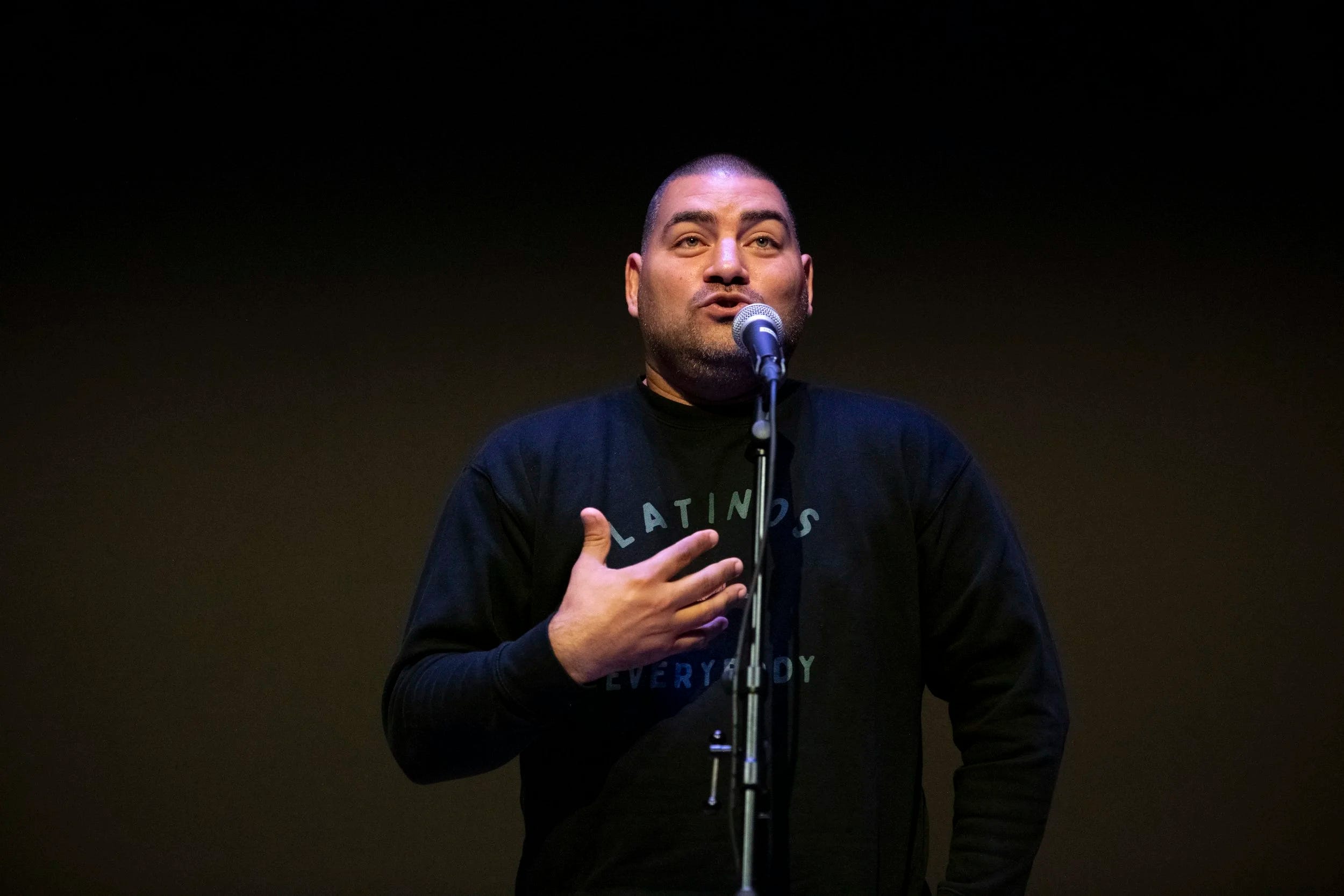
There’s a moment when science stops being abstract. It’s when a forecast becomes a warning. When a pattern becomes a loss. When the data you’ve been watching quietly starts to describe something happening in real time. Those moments don’t always make it into reports or headlines. They live in stories.
That’s why SciLight is partnering with Story Collider to launch a new series: Stories That Change What We Know About Science. Each post begins with a story—told by someone who has lived the moment when science meets reality. Then we take a step further. What does this story reveal about how science actually works? What does it tell us about the systems we rely on, and what happens when they’re strained or overlooked?
Science isn’t just a set of conclusions. It’s a series of human decisions made under uncertainty, often when the stakes are highest. Story Collider brings those moments to life. SciLight explores what they mean—and what they ask of us. This is where story becomes understanding, and where understanding can lead to action.
This week, we’re featuring one of The Story Collider’s latest stories, “Trying: Stories About Fertility,” featuring Annie Tan, an educator, activist, writer, and storyteller from Manhattan’s Chinatown. Annie’s work has been featured in Huffington Post, New Republic, PBS’ Asian Americans, RISK! and twice on The Moth Radio Hour on NPR. It also features Dr. Kibby McMahon, a licensed clinical psychologist, researcher, and digital health entrepreneur who’s obsessed with the emotional complexities of relationships. She earned her BA from Columbia University and her PhD in clinical psychology from Duke University, where her NIMH-funded research focused on how regulating our own emotions helps us connect more deeply with others.
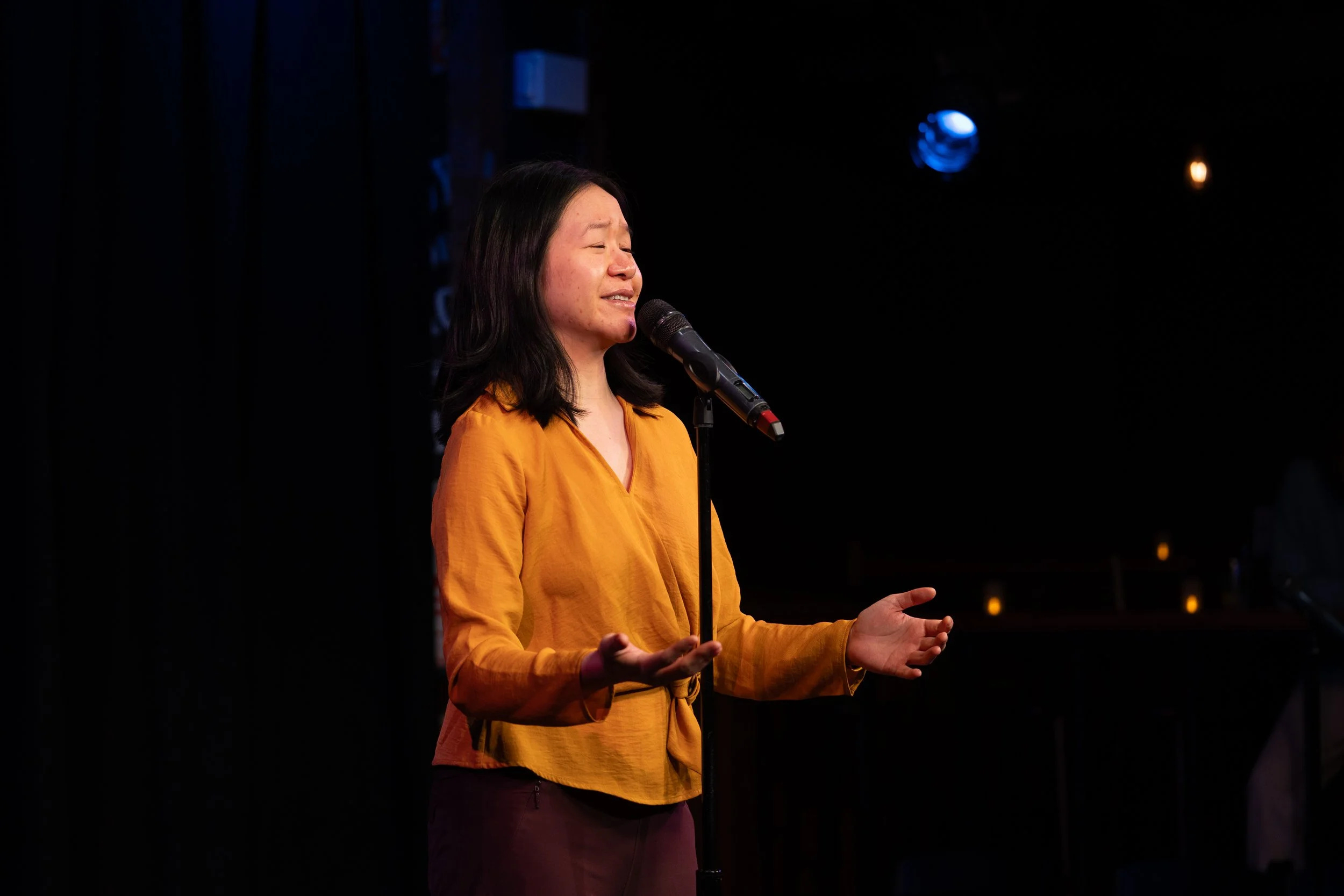
Fertility is often treated as something private, and of course it is. It is intimate, emotional, and deeply personal. But it is also science. It is medicine. It is public health. It is policy. It is access to care, trust in evidence, protection from harmful exposures, and the ability to make decisions about one’s body with accurate information and compassionate support.
Tan has shared that she had a miscarriage along her fertility journey. She lives in New York, which does not have the strict abortion “heartbeat” laws that 13 states now have. If she were in a different state, such as Alabama or Tennessee, she would not have been able to deliver the baby, whom she named Chloe, while an infection was starting. The same type of miscarriage happened to Josseli Barnica in Texas when her water broke at 17 weeks, just like Tan. However, doctors would not treat Barnica until the baby no longer had a heartbeat. More than 40 hours after her miscarriage started, Barnica died of an infection.
SciLight has often returned to similar themes of health and fertility. We have written about what happens when courts try to override FDA scientists on questions of reproductive health and drug safety. We have covered attacks on sexual and reproductive health rights, including efforts to erase that language from global commitments to women and girls. We have also raised concerns about the loss of public health expertise at agencies like HHS, CDC, NIH, and FDA, including experts whose work touches reproductive health, environmental health, food safety, and the systems people depend on long before they ever sit in a doctor’s office.
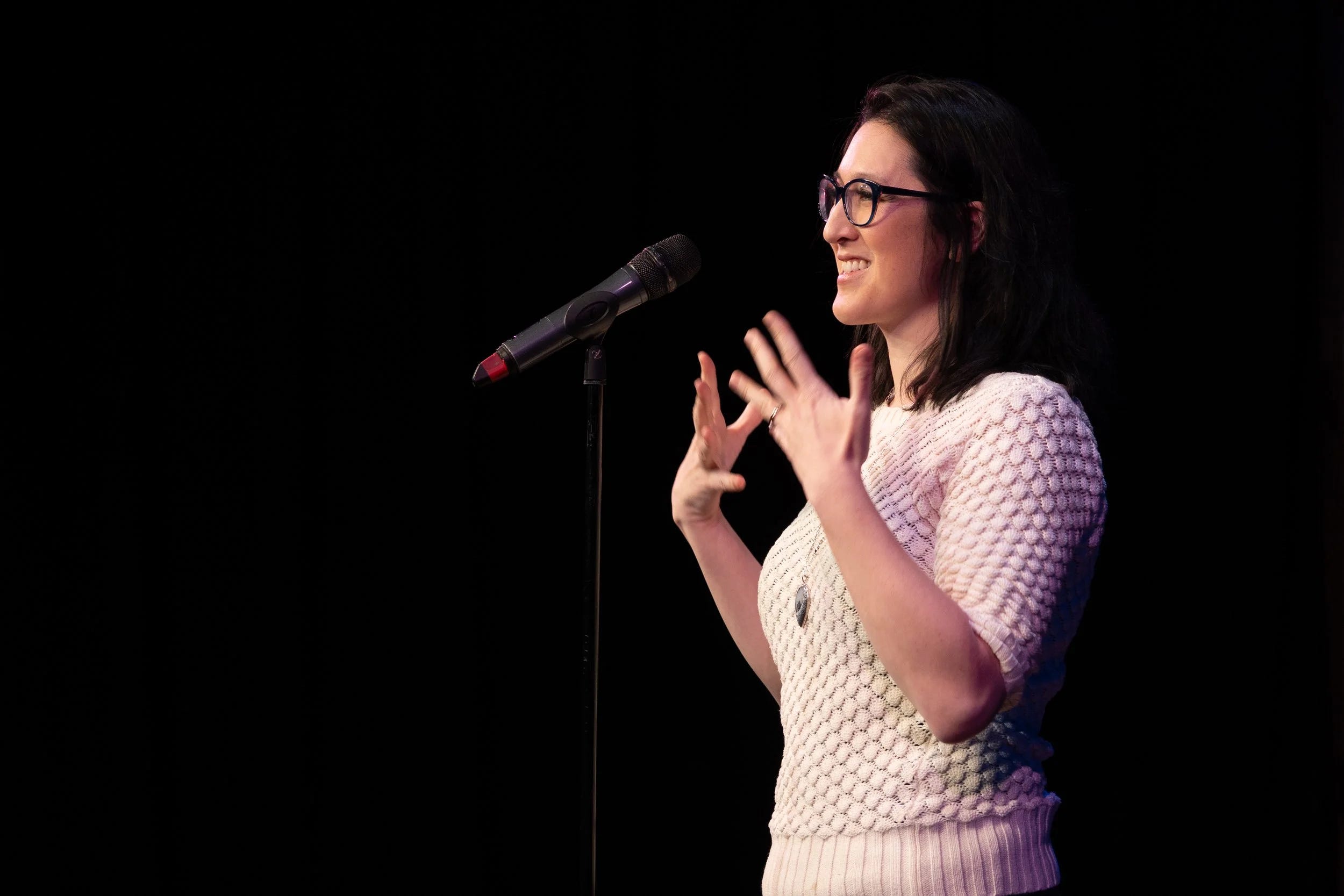
Annie Tan’s story and Dr. Kibby McMahon’s story remind us why those systems matter. Fertility is not only a medical outcome. It is an experience shaped by biology, family, culture, grief, hope, uncertainty, cost, access, policy, and the emotional labor of trying to make sense of all of it. Science can help explain what is happening in the body, but stories help us understand what it feels like to live through it.
That is the heart of this collaboration. The Story Collider gives us the lived experience. SciLight helps trace the larger scientific and policy landscape around it. Together, we hope these stories can make science feel less distant and more human, while reminding us what is at stake when evidence, expertise, and care are ignored. The stories that change what we know about science are often the stories that ask us to pay closer attention to one another.
You can check out The Story Collider’s live shows, including upcoming events on July 23 in Washington, DC and July 27 in New York, NY, as well as others around the country this summer.
About Story Collider
The Story Collider’s mission is to reveal the vibrant role that science plays in all of our lives through the art of personal storytelling. At their live storytelling events in the U.S., Canada, and the U.K., people of all walks of life – from scientists and doctors to journalists and comedians to artists, firefighters, and bartenders – tell stories about how science has affected their lives. The Story Collider shares a selection of these stories on their weekly podcast, which The Washington Post has called “delightful, devastating, and endlessly listenable.” Over the years, they have developed their storytelling coaching practice into an Education Program that offers public and private storytelling training to individuals and groups.
That’s it for today - Thank you so much for reading SciLight!
If you enjoyed today’s post, please like it or share it with others. You can also support the work we do to shine a light on the politicization of science by becoming a paid subscriber!
If you want to share today’s post as a web page with your network, click this button:
If you have suggestions, questions, comments, or want to drop us a line - send it all to scilightsubstack@gmail.com
 | A guest post by
|